Introduction
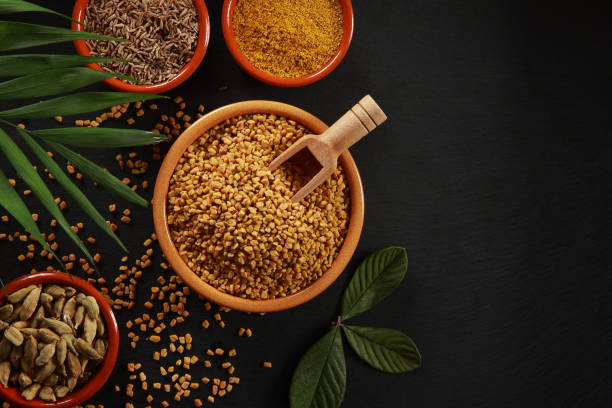
Fenugreek, scientifically known as Trigonella foenum-graecum, is a herb that has been cherished for its myriad health benefits for centuries. Native to the Mediterranean region, this versatile plant has found its way into kitchens and traditional medicine across the globe. In this comprehensive guide, we will explore the various facets of fenugreek – from its rich history to its remarkable health benefits and culinary applications.
Historical Significance of Fenugreek
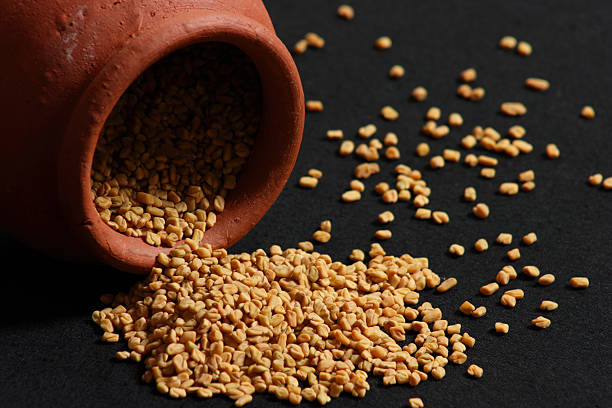
Fenugreek has an extensive historical background, dating back to ancient civilizations. It was highly revered in ancient Egypt, where it was used for culinary and medicinal purposes. The Greeks and Romans also recognized its potential, and it played a prominent role in their cultures.
Nutritional Profile
Before delving into its health benefits, let’s take a look at the impressive nutritional content of fenugreek. This herb is a rich source of vitamins, minerals, and other essential compounds. It is particularly high in fiber, protein, iron, magnesium, and manganese. Additionally, fenugreek contains various phytochemicals with potent antioxidant properties.
Culinary Uses
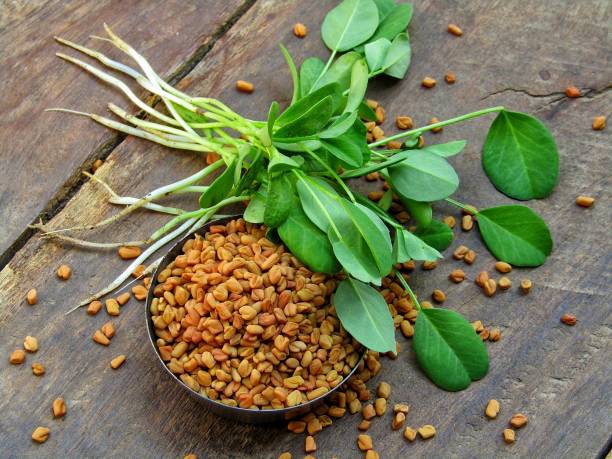
Fenugreek’s unique, slightly bitter taste has earned it a special place in the culinary world. Its seeds, leaves, and dried form are all used in various cuisines.
1. Seeds
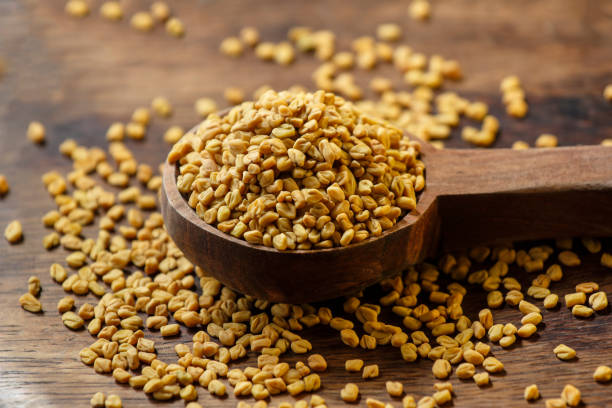
- Spice Blends: Fenugreek seeds are a common ingredient in curry powders and spice mixes, imparting a distinct flavor and aroma.
- Flavor Enhancer: They are often toasted or dry-roasted to enhance their flavor before use in dishes.
2. Leaves
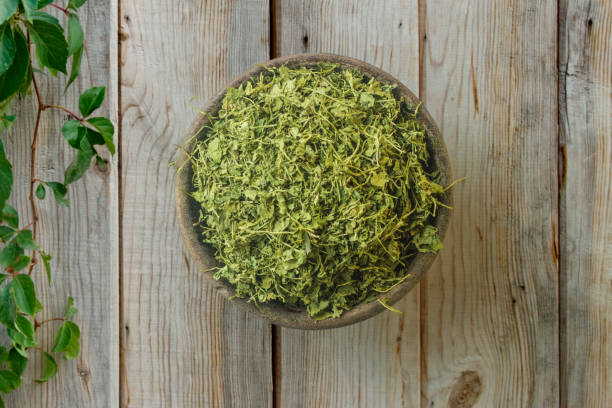
- Fresh Leaves: Known as ‘methi’ in India, fresh fenugreek leaves are used in salads, stews, and as a garnish for various dishes.
- Dried Leaves: Kasuri methi, or dried fenugreek leaves, are a popular addition to many Indian dishes, providing a robust, earthy flavor.
3. Sprouts
Nutrient-Rich Addition: Fenugreek seeds can be sprouted and added to salads, sandwiches, or wraps, offering a nutritional boost.
Medicinal Properties of Fenugreek
1. Digestive Health
- Relief from Indigestion: Fenugreek seeds contain mucilage, a gel-like substance that soothes the digestive tract, providing relief from indigestion and heartburn.
- Regulation of Blood Sugar: Studies suggest that fenugreek may help stabilize blood sugar levels by slowing down the absorption of carbohydrates.
2. Hormonal Balance
- Balancing Female Hormones: Fenugreek is often used to alleviate symptoms of PMS and menopause, thanks to its phytoestrogen content.
- Enhancing Lactation: Nursing mothers often turn to fenugreek to boost milk production.
3. Heart Health
- Cholesterol Regulation: Compounds in fenugreek may help lower levels of LDL cholesterol, reducing the risk of heart disease.
- Blood Pressure Management: The herb’s potassium content supports healthy blood pressure levels.
4. Anti-Inflammatory Properties
Reducing Inflammation: Fenugreek is rich in antioxidants and anti-inflammatory compounds, which can help alleviate conditions like arthritis.
5. Weight Management
Appetite Suppression: The fiber in fenugreek seeds can help increase feelings of fullness, potentially aiding in weight loss efforts.
Beauty and Skincare of Fenugreek
1. Skin Health

- Combatting Acne: Fenugreek’s anti-inflammatory and antimicrobial properties make it a natural remedy for acne-prone skin.
- Anti-Aging Benefits: The antioxidants in fenugreek seeds may help reduce signs of aging and promote a youthful complexion.
2. Hair Care

Strengthening Hair: Fenugreek seeds are often used in hair masks to promote hair growth, strengthen strands, and combat dandruff.
Precautions and Considerations of Fenugreek
While fenugreek offers a multitude of health benefits, it’s important to exercise caution, especially for individuals with specific medical conditions or allergies. Consulting a healthcare professional before incorporating fenugreek into your diet or beauty regimen is advisable
Conclusion
Fenugreek, with its rich history and multifaceted benefits, is a true gem in the world of natural remedies and culinary delights. From digestive health to hormonal balance, and from skincare to heart health, this humble herb has much to offer. By integrating fenugreek into our lifestyles, we can tap into its extraordinary potential for enhanced well-being and vitality. Remember, nature has provided us with an abundance of treasures; fenugreek is undoubtedly one of them.
Leave a Reply